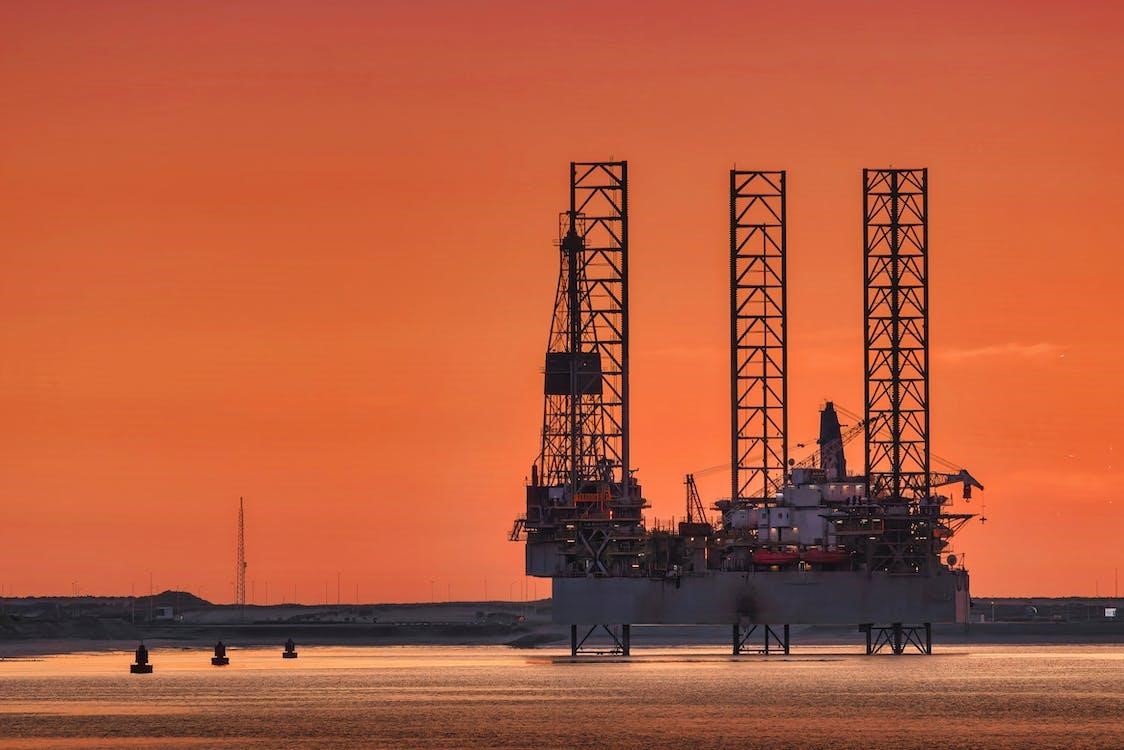
Fossile Brennstoffe am Ende
Das Ende der fossilen Brennstoffe ist eingeleitet. Die biologische Artenvielfalt
Der Klimawandel ist inzwischen als Hauptursache für den Verlust der biologischen Vielfalt anerkannt. Nach dem
Unsere natürliche Umwelt ist ein intelligentes und widerstandsfähiges System. Lebende Organismen – und der Mensch
Wissenschaftliche Konferenz
Das Ende der fossilen Brennstoffe ist eingeleitet. Die biologische Artenvielfalt
Während der Klimawandel die Artenvielfalt und uns alle bedroht, bringt
Der 22. Mai wird alljährlich als Internationaler Tag der biologischen
Mit dem Klimawandel, der hauptsächlich für den Verlust der biologischen

Hinsichtlich der vehementen Problematik des Klimawandels kann es schwerfallen, sich
Etwa 3,6 Milliarden Hektar sind von Wüstenbildung bedroht, was etwa
Schaffung komfortabler Lebensbedingungen und eines ökologisch nachhaltigen Lebenssystems für die
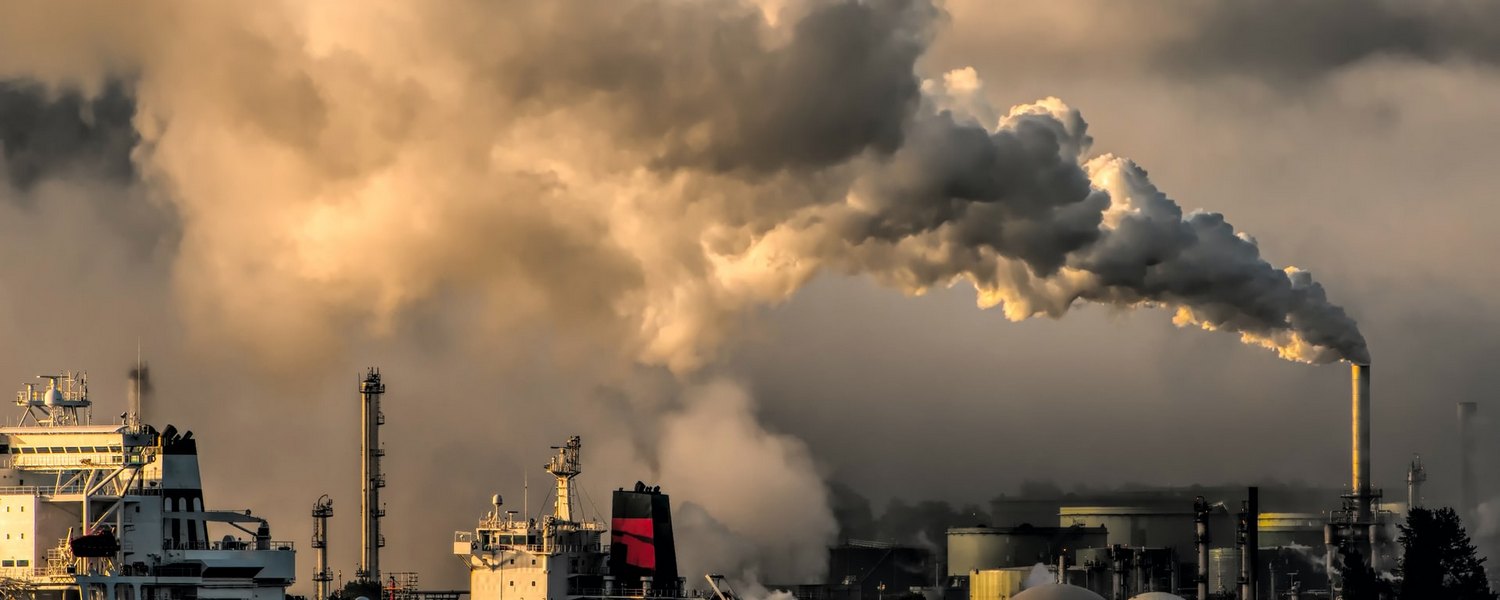
Václav Smil, Professor an der Universität von Manitoba, Kanada, der
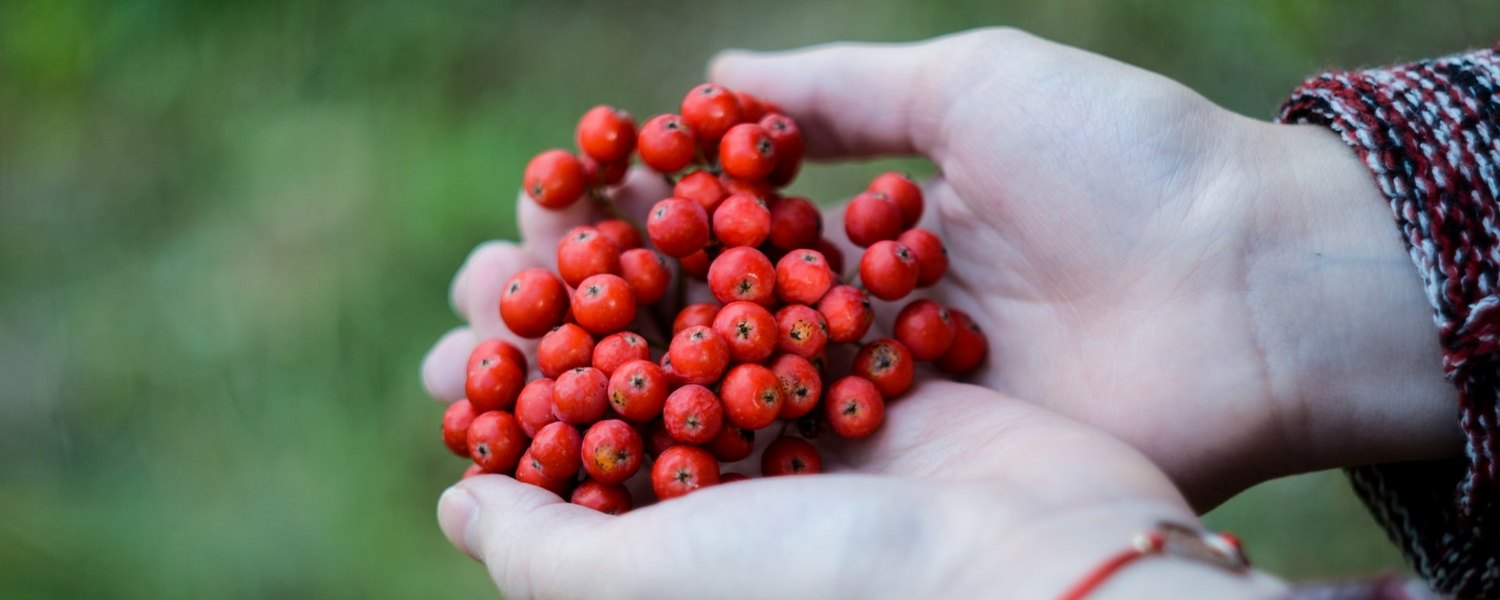
Der Boden ist das wichtigste Mittel der landwirtschaftlichen Produktion und

Eine der am meisten diskutierten und potenziell gefährlichen Umweltkatastrophen ist
Internationales wissenschaftliches Symposium über biologische Vielfalt und Ökologie.
Die BIK-F International Conference on Biodiversity and Ecology wird am 23. und 24. Mai 2022 in Mühlacker stattfinden.
Das Symposium wird von der Technischen Universität und der Universität Mühlacker organisiert.
Die Bewerbungsfrist endet am 20. April 2022. Die Kurzfassungen der angenommenen Beiträge werden kostenlos im Symposium-E-Book veröffentlicht. Die Anmeldung zum Symposium ist obligatorisch.
Das Symposium wird Forscher und Experten für biologische Vielfalt und Ökologie aus akademischen Einrichtungen, Universitäten, Ministerien und Nichtregierungsorganisationen zusammenbringen.











Erhaltung der biologischen Vielfalt: Biologische und ökologische Aspekte in aquatischen Ökosystemen
Sitzung 1.
Das Mittelmeer: Vergangenheit, Gegenwart und Zukunft der gebietsfremden Arten
Sitzung 2
Das Schwarze Meer: von einzelnen Organismen zu Ökosystemen
Sitzung 3
Süßwasser-Ökosysteme
Biologische und ökologische Aspekte in terrestrischen Ökosystemen
Sitzung 1.
Terrestrische Ökologie und biologische Vielfalt in einem Eurasien im Wandel
Sitzung 2
Populationsstatus, Entwicklung, Ökologie, Bewertung, Erhaltung und Bewirtschaftung von terrestrischen Arten.
Sitzung 3
Populationsstatus, Entwicklung, Ökologie, Bewertung und Management von aquatischen Arten
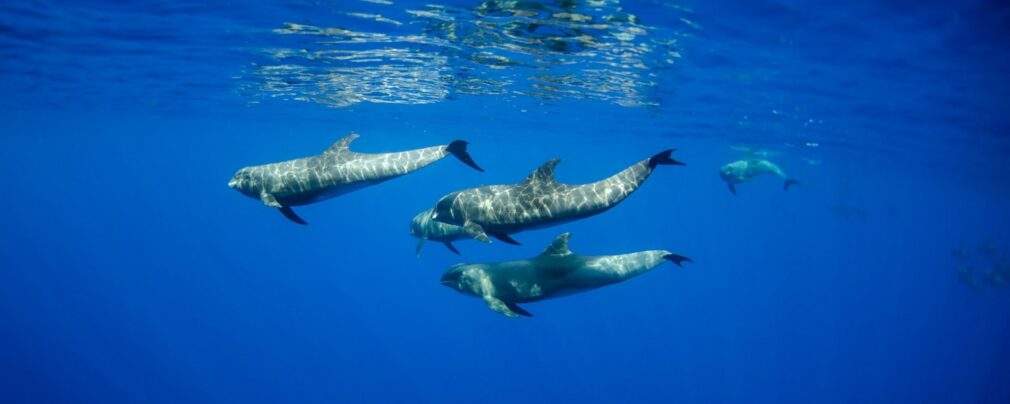
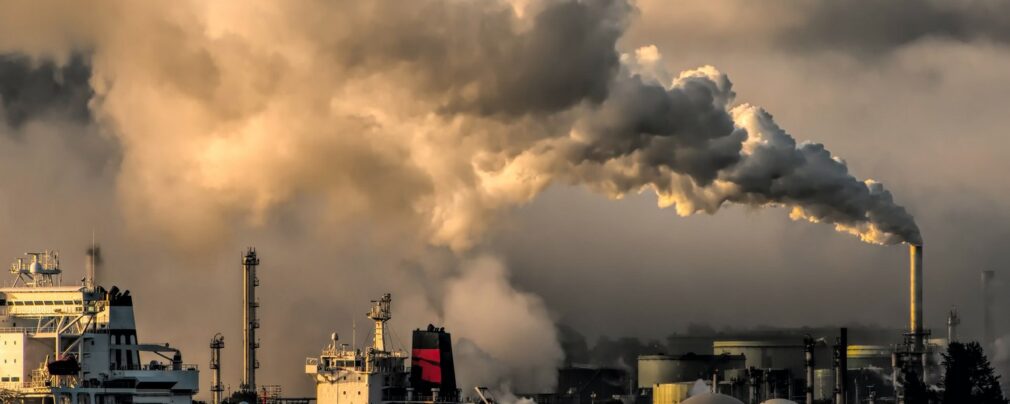
Klimawandel
Sitzung 1
Globale Auswirkungen des Klimawandels auf die biologische Vielfalt
Sitzung 2
Klimawandel und Klimadynamik im Zeitverlauf
Bioindikatoren und Biomonitoring
Abschnitt E:
Biologische Vielfalt: Vergangenheit und Zukunft
Abschnitt F:
Bioinvasive Flugbahnen und Auswirkungen in unterschiedlichen Umgebungen
Kontakt mit dem Organisationskomitee Monique Seiler
E-Mail: [email protected]